6 hr 30 min
Teide National Park Sunset & Stargazing Tour
Chase the sunset above the clouds and uncover the night sky over Mount Teide with expert guides.
Reserve
The mountain keeps the dark, the sky returns the favour.
Hand-picked by our editors — only the best 9 experiences from 214 reviewed.
Verified partners for Teide Stargazing tours, free cancellation where available, and instant confirmation on every booking.
6 hr 30 min
Chase the sunset above the clouds and uncover the night sky over Mount Teide with expert guides.
Reserve
8 hr
Canarian dinner, a volcanic sunset and telescope stargazing under Teide's clear night skies.
Reserve
9 hr
Chase the sunset above the clouds on Mount Teide, then dine and explore the night sky with an astronomer.
ReservePrices from verified partners. Availability updates in real time at checkout. Free cancellation policies apply where shown.
The landmarks, rooms, and views travelers on Teide Stargazing tours remember — all visible on a single visit.
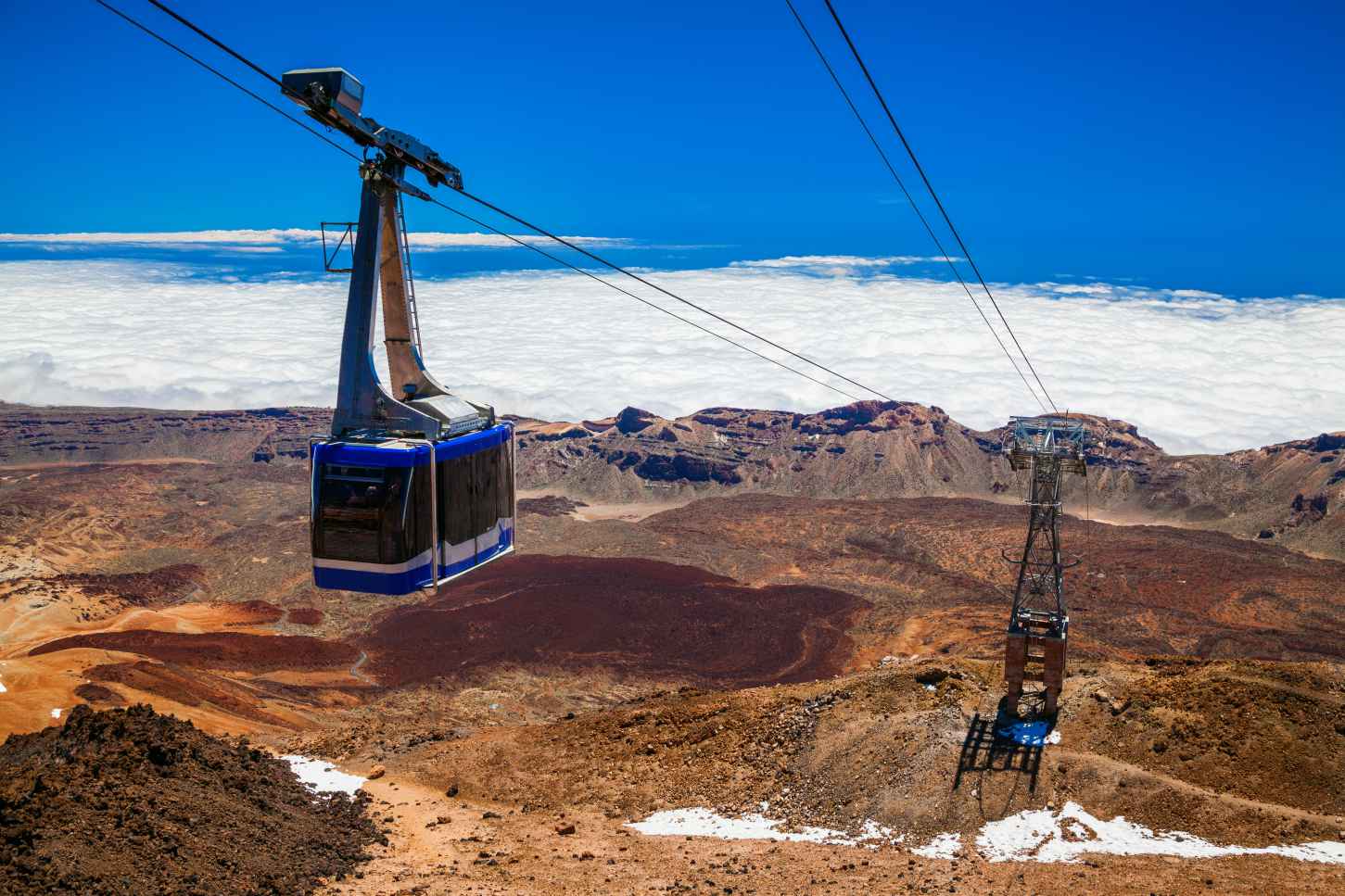
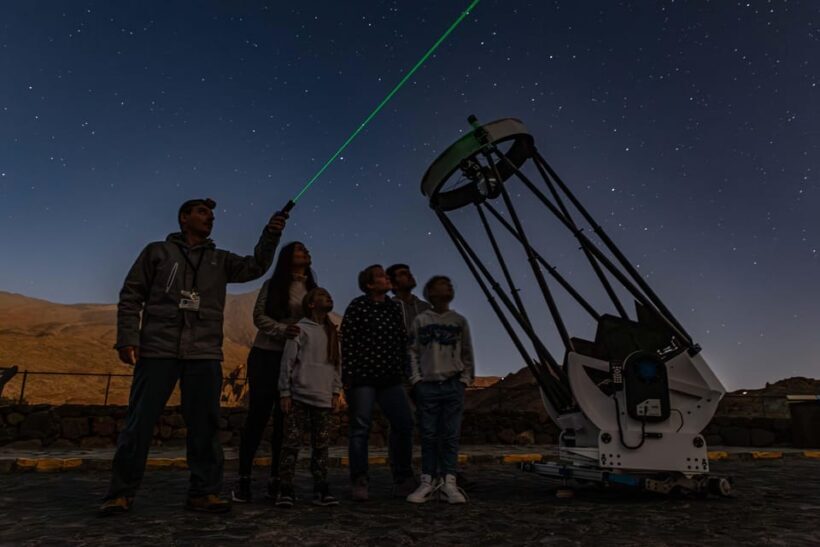
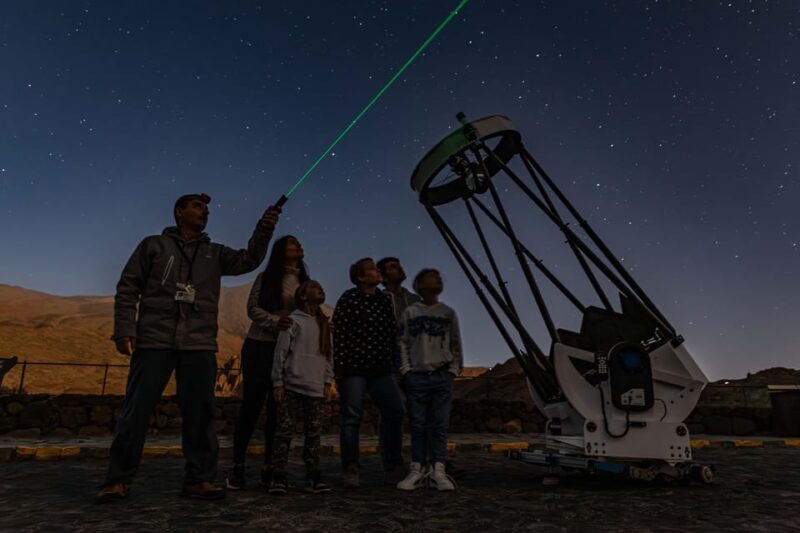
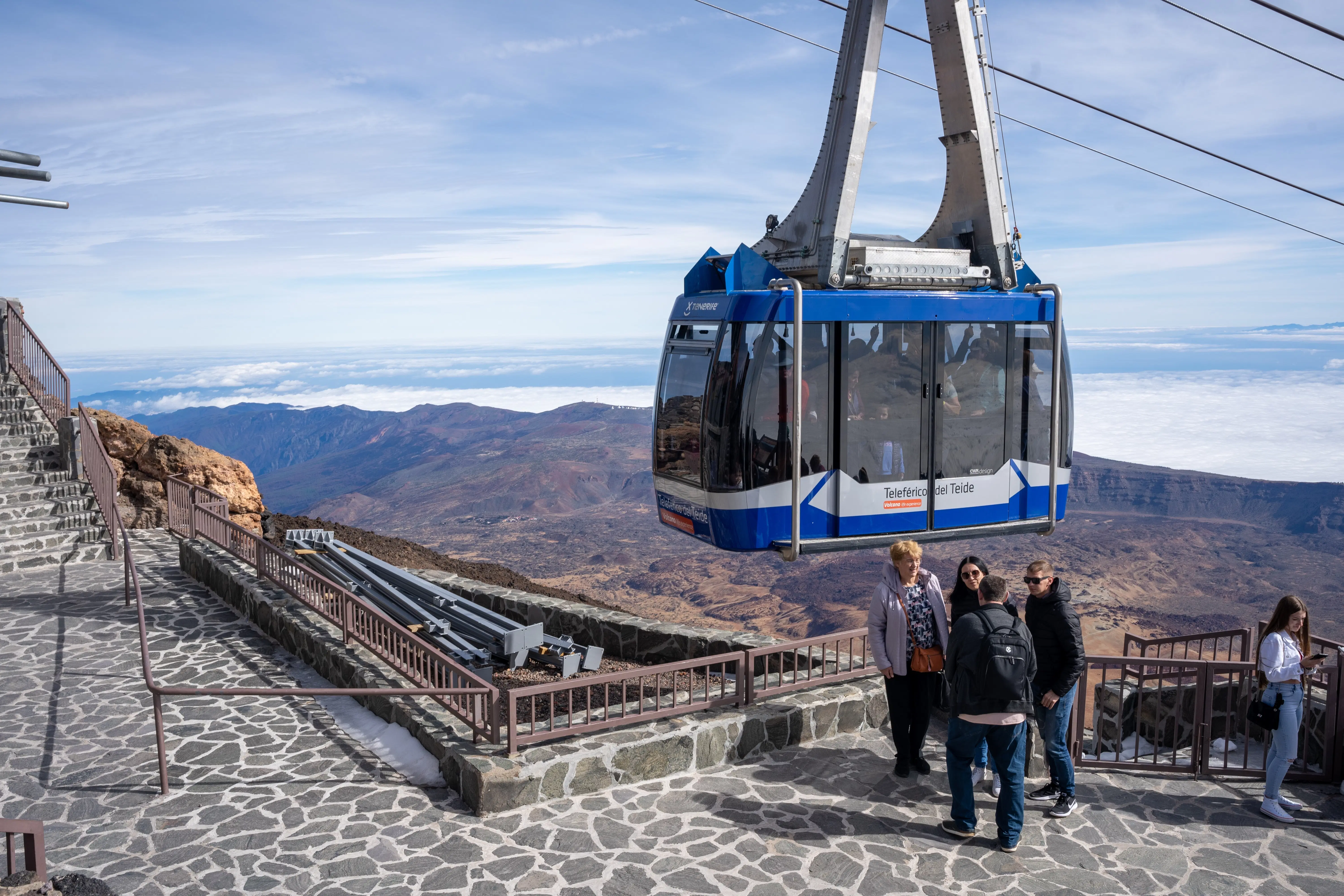
This is the actual night-sky viewing point used for the teide stargazing tour, set beside the cable car base station at 2,356 m. The operator emphasizes portable telescopes here rather than observatory access, so the focus is on open-sky viewing and dark-adapted eyes.
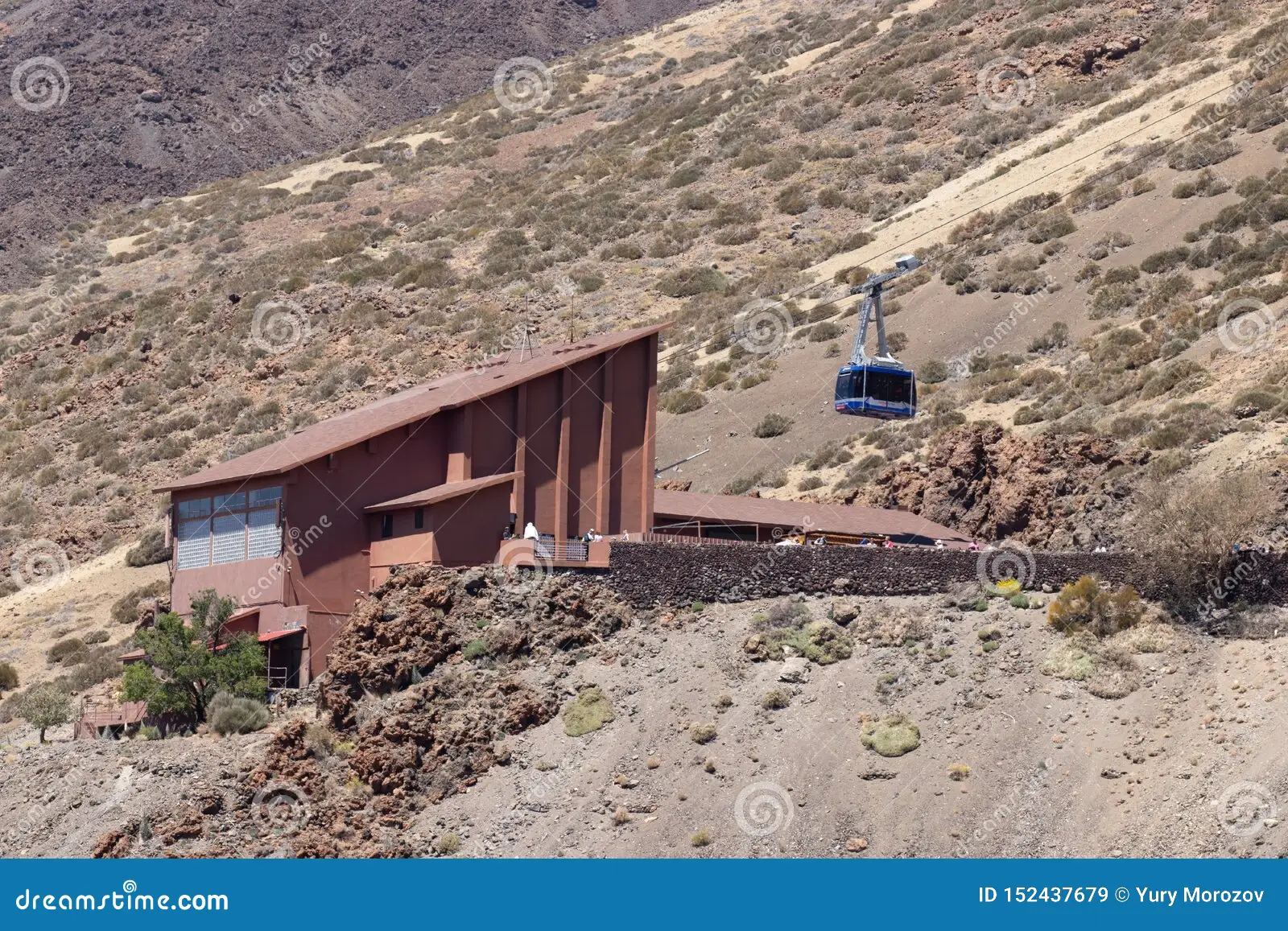
The base station at km 43 of the TF-21 is the fixed meeting landmark for the teide stargazing tour. It sits inside Teide National Park and functions as the handover point where visitors meet the Volcano Teide team at the closed gate.
This is the exact check-in point described by the operator, and it is where visitors wait to be welcomed by staff before the activity starts. The location matters because the road access and park logistics are managed from this gate, not from the summit.
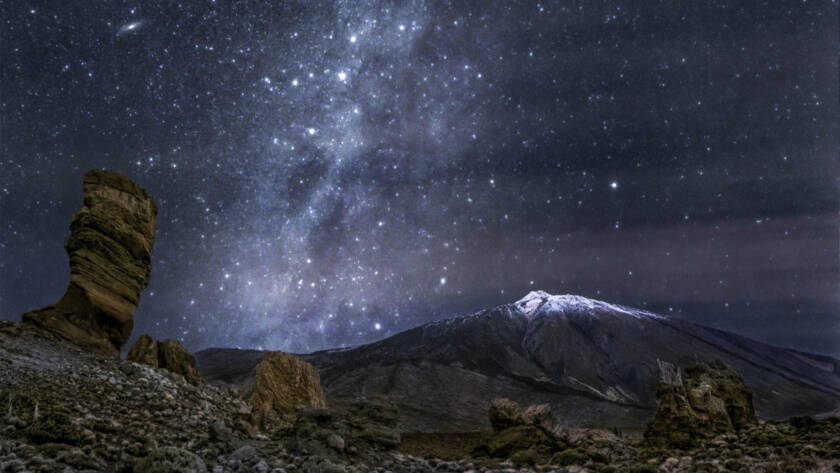
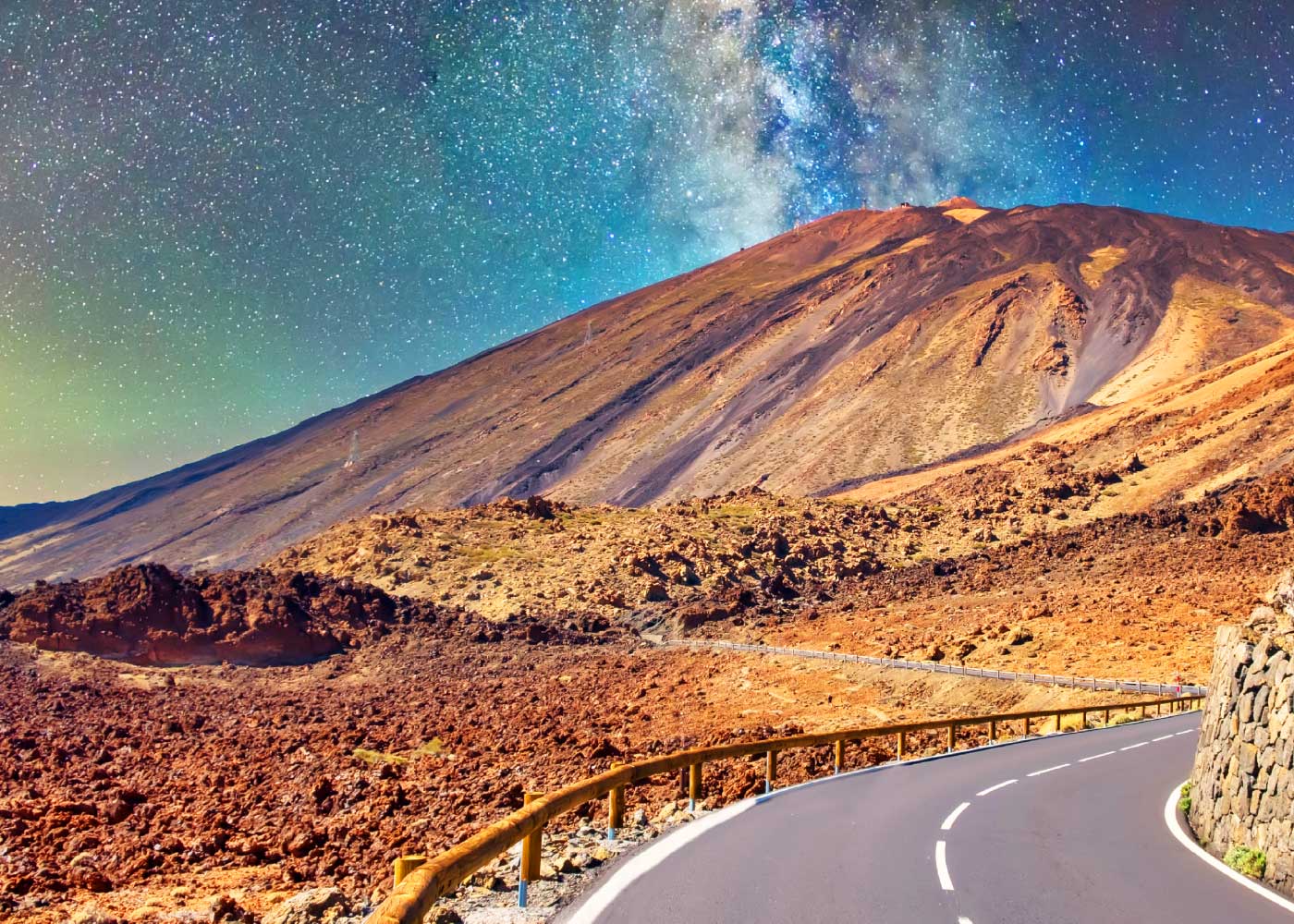
The park’s dark-sky conditions are the main draw of the experience, with the activity designed around low light pollution and telescope viewing. The site repeatedly frames Mount Teide as one of the finest starlit skies in the world.
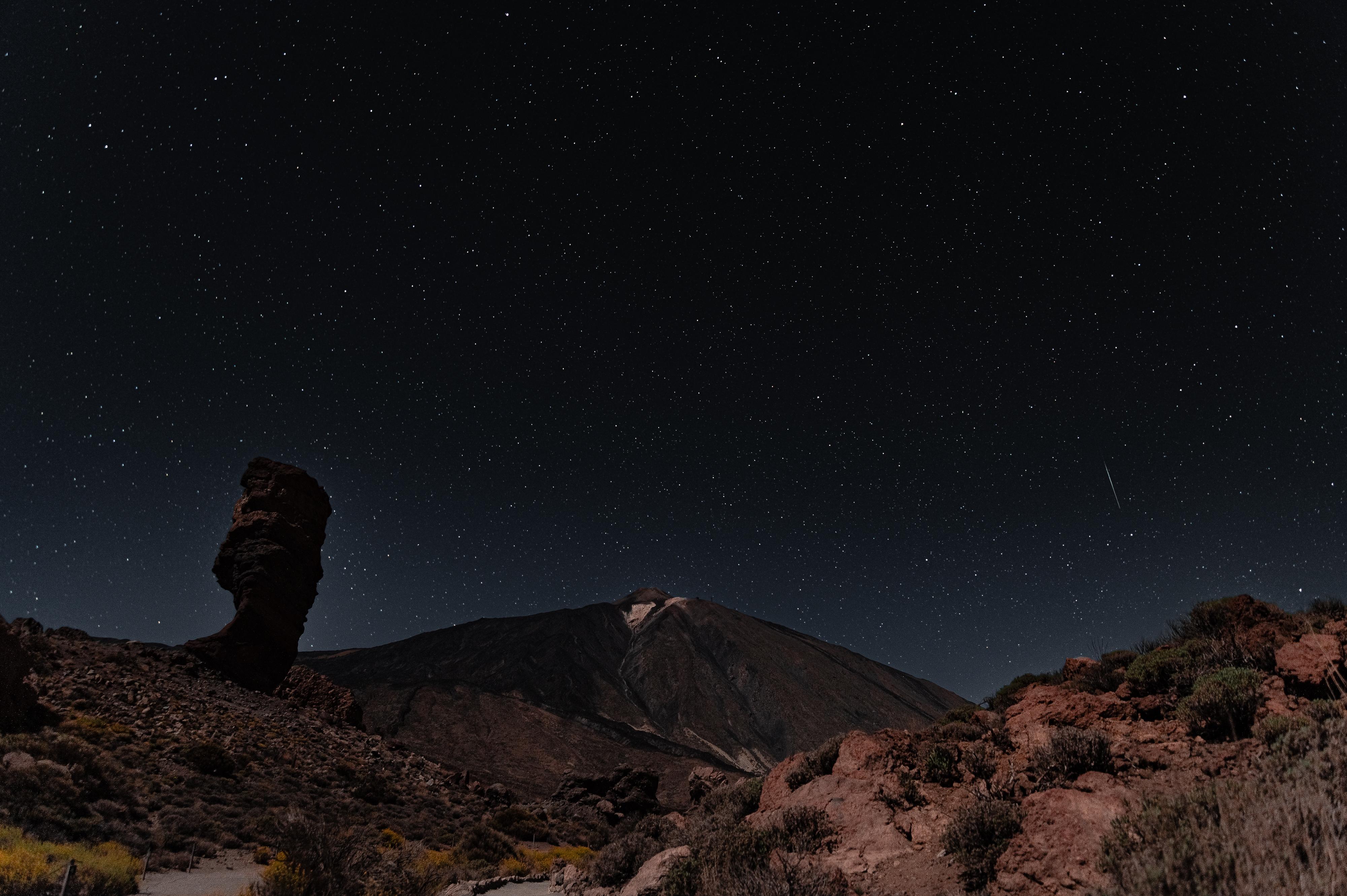
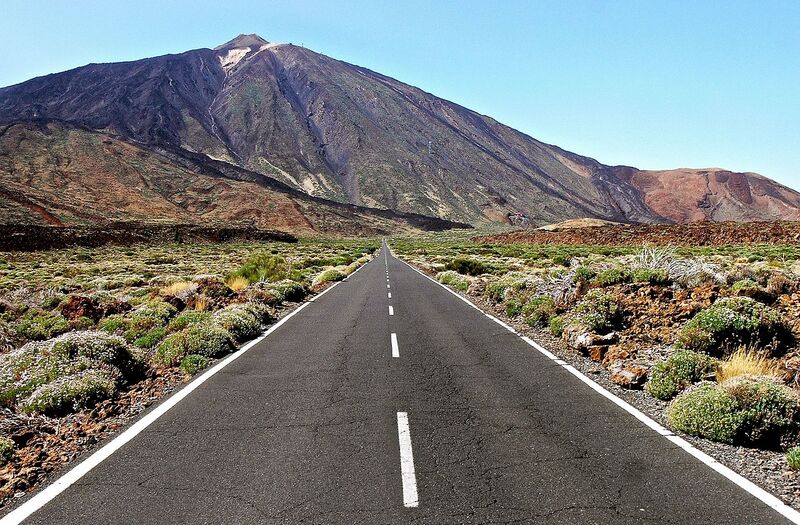
The observation area sits in a volcanic landscape that makes the teide stargazing tour feel isolated from city lights. That remoteness is part of the appeal, and it is why the operator stresses warm clothes, protected paths, and careful night movement.
Every Teide Stargazing tour side-by-side — duration, what's included, how you redeem.
| Experience | Duration | Rating | Skip-the-line | Guide | Small group | Free cancel. | Price | |
|---|---|---|---|---|---|---|---|---|
|
Guided Experience Most popular
Teide National Park Sunset & Stargazing Tour
|
6 hr 30 min | ★ 4.2 | ✓ | ✓ | ✓ | ✓ | €40 | Book → |
|
Guided Experience
Teide National Park Dinner, Sunset & Stargazing Tour
|
8 hr | ★ 4.5 | ✓ | ✓ | ✓ | ✓ | €55 | Book → |
|
Guided Experience
Teide Sunset & Stargazing Night Tour with Dinner
|
9 hr | ★ 4.7 | ✓ | ✓ | ✓ | ✓ | €89 | Book → |
All prices from verified partners. Availability and exact terms confirmed at checkout.
The teide stargazing tour is the better pick if you want a focused night-sky session with telescopes, while Teide Astronomic Tour suits visitors who want a fuller astronomy day that adds a Teide Observatory visit. Most people who want the more complete program choose the Astronomic Tour; those who only want dark-sky observing prefer the night outing.
| Feature | Top pick Teide Stargazing Tour | Teide Astronomic Tour |
|---|---|---|
What you see |
Night sky, planets, constellations | Observatory + night sky |
Time of day |
Night, after sunset | Afternoon, then night |
Observatory access |
No | Yes |
Telescope use |
Long-range telescopes | Long-range telescopes |
Duration |
1 hour | 8 h 50 min |
Best for |
Focused stargazing | Full astronomy program |
| See tickets → |
Verdict: Choose the teide stargazing tour for a shorter, telescope-led night under Teide’s sky, but pick the Astronomic Tour if you want the Observatory visit and a broader astronomy experience.
Choose your ticket, select your date, and reserve in under two minutes. Secure checkout handled by our verified partner.
Instant confirmation by email, with a mobile voucher you can save offline. No printing, no queuing at a collection desk.
Arrive at the entrance, show your voucher on your phone, and walk in. Most tickets include priority or skip-the-line access.
Practical details for Teide Stargazing tickets straight from our verified partners — hours, access, rules, and how to get there.
Mount Teide can be cold after sunset even in summer, so wear warm layers and proper footwear. The operator explicitly recommends warm clothing, and the site notes that weather can range from heat to cold depending on the season.
Bring only what you need for a short outdoor session at the cable car base station. The team requires a booking voucher on paper or a mobile device, and you should wait at the closed access gate for a Volcano Teide staff member.
Photography is allowed during the outdoor stargazing session, but the experience is centered on long-range telescopes and guided sky viewing, so avoid flash that would affect dark adaptation. The voucher can be shown on your phone, but that is for check-in, not as a photo rule.
This teide stargazing tour is an outdoor night activity at the cable car base station, not inside the observatory, and the route is by road rather than a hiking approach. The operator does not publish wheelchair-specific access details on the activity page, so visitors with mobility concerns should plan for uneven volcanic-surface conditions and a night-time mountain setting.
You may present the booking voucher on a mobile phone, and you do not need to print it. Phones are also useful for navigation to the TF-21 km 43 meeting point and for a flashlight mode when moving around the parking area.
Children under 8 are not allowed on the astronomical observation activity. For families with older children, the tour uses telescopes and Starlight guides, but the late timing and cold night conditions make layers and patience essential.
Food is not included in the standard Astronomical Observation on Teide activity, and picnic is not part of the base product. Water is a sensible carry item because the site’s general advice for Teide visits is to stay hydrated, especially in dry mountain air.
Pets are not allowed, apart from guide dogs and therapy dogs. This rule applies to the astronomical observation activity on Teide.
The activity is held outdoors with portable telescopes and certified Starlight guides, not inside the Teide Observatory. The guide language for the standard experience is English, Spanish, French, or German, and the site notes that schedules can be modified for organisational reasons.
Best time to go, insider tips, nearby landmarks, and the cancellation fine print — flip through to skim what matters to you.
Flexible, no hidden fees.
Reservations may be cancelled or changed free of charge up to 24 hours before the activity. After that, 100% of the amount is charged; if weather conditions prevent the astronomical observation, the amount paid is reimbursed, except for any picnic received if applicable.
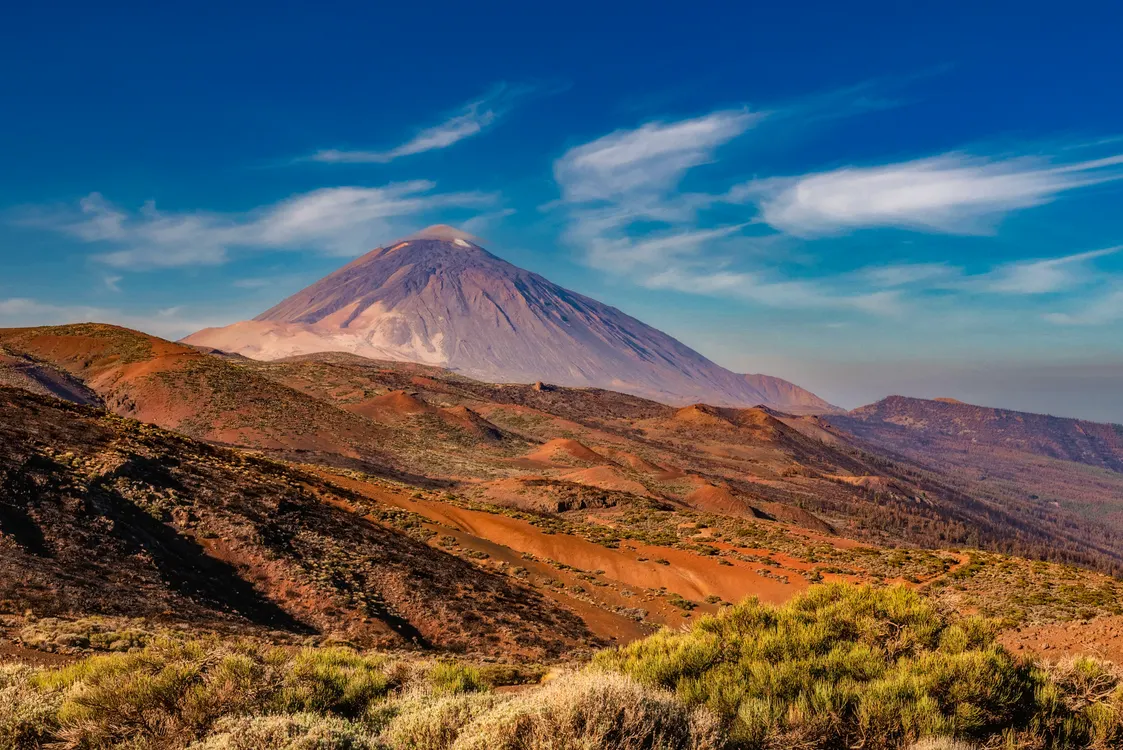
Measured from the Atlantic seabed, Teide climbs more than seven kilometres, and only 3,715 of those metres stand above water, which makes it the third-largest volcanic structure on Earth. That geometry is the whole reason a teide stargazing tour exists. Above 2,000 metres the air carries almost no water vapour.
The trade winds press a shelf of stratocumulus against the northern slopes and hold it there, so the summit floats clear of the weather. Cloud rarely rises past the pine line. The glow of Santa Cruz and Los Cristianos is trapped beneath the same shelf.
The Guanches, the island's pre-Hispanic inhabitants, called the mountain Echeyde and named it the seat of Guayota, a demon said to have shut the sun god Magec inside the crater. Spanish charts recorded it simply as El Pico. Alexander von Humboldt climbed the peak in June 1799, on his way to South America, and described the ascent at length. The caldera of Las Cañadas, sixteen kilometres across, was formed by collapse and successive landslides rather than one explosion. Spain declared the national park in 1954. UNESCO inscribed it as World Heritage in 2007. The Starlight Foundation has since certified the skies above it.
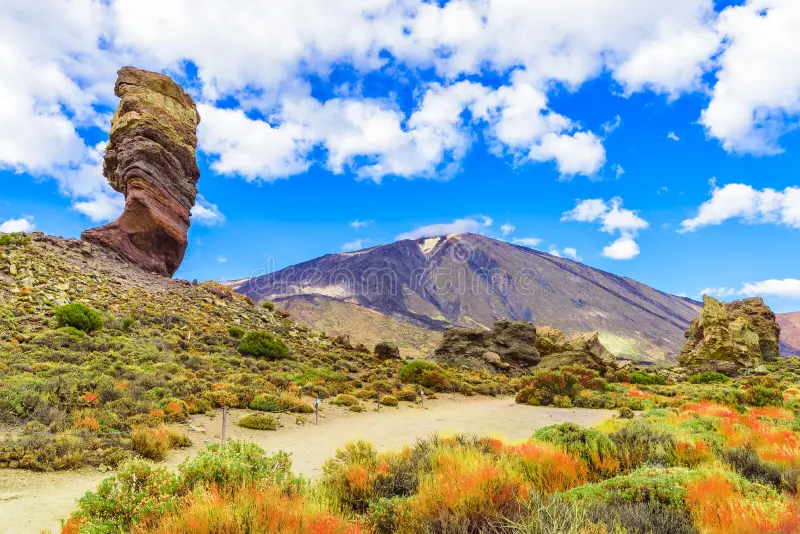
Darkness here is protected by statute. Spain's 1988 Sky Law restricts lighting, flight paths and radio emission across the island so that the ridge at Izaña remains usable for research. Guided programmes were built inside that framework rather than around it. Teide Stargazing Tour tours typically trace the caldera floor after sunset; a teide astronomy tour leans harder on telescope work and object lists; a teide stargazing trip may go no further than Los Roques de García, where Roque Cinchado stands in weathered phonolite; and a teide stargazing excursion often pairs the sky with the ground under it — obsidian flows on Montaña Blanca, pumice fields, the pale sulphur staining near the summit cone.
What remains, after the certificates and the statutes, is how unremarkable the spectacle becomes. The Milky Way is not an event above Las Cañadas. It is the ordinary condition of a clear night, arcing from Guajara to Pico Viejo, the galactic core legible to an unaided eye through the summer. Clear nights are counted here in the hundreds rather than the dozens. The Teide violet, Viola cheiranthifolia, grows nearer the summit than any other flowering plant in Spain, and the retama bushes below it hold the last of the day's heat long after the light has gone. Teide Stargazing Tour tickets are, in that sense, less a wager on the weather than an appointment with a sky the island has spent seventy years learning to keep dark.

"The Milky Way is not an event above Las Cañadas; it is the ordinary condition of a clear night."
A step-by-step walkthrough of Teide Stargazing tickets — what you'll see, how long each stage takes, and the details that matter.
You leave the coast in daylight and watch the vegetation change through the window: banana terraces, then Canary pine, then nothing but lava. Your ears pop twice on the climb.
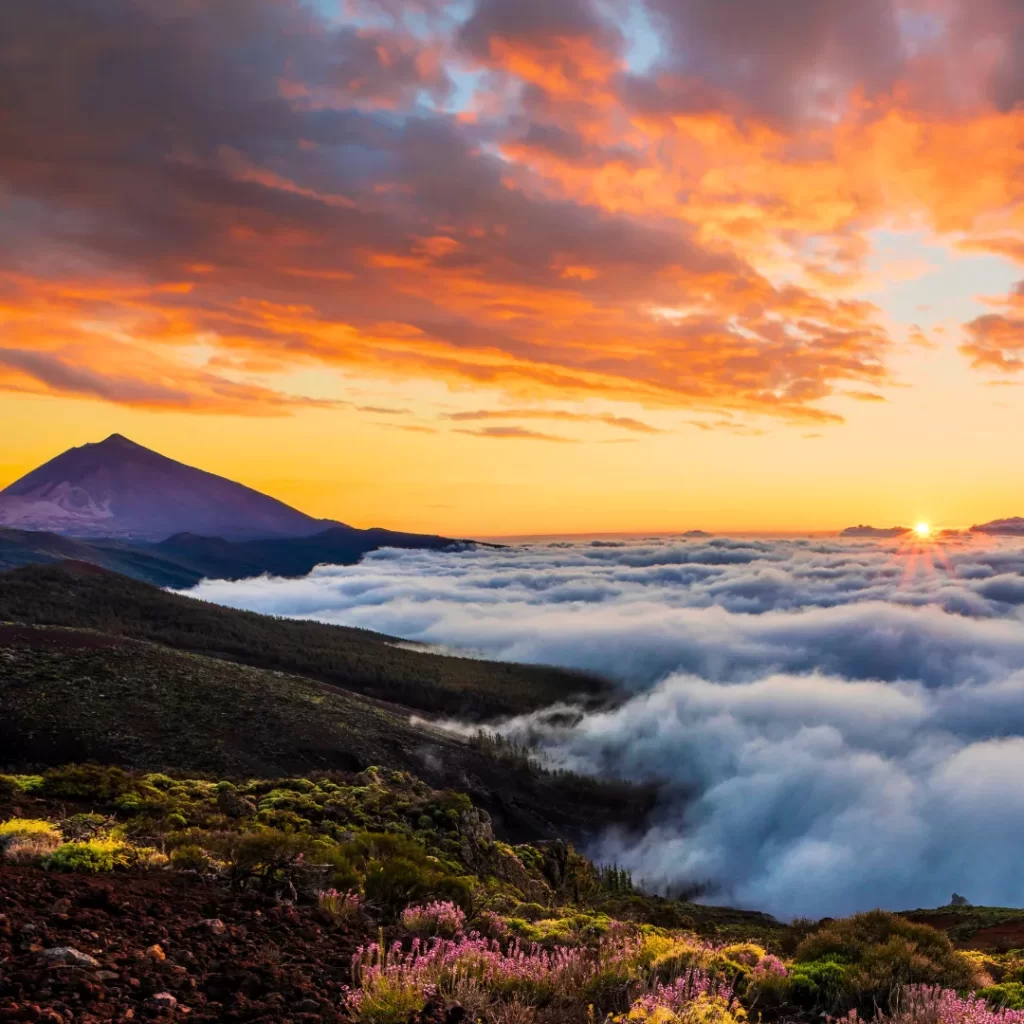
Somewhere near 2,000 metres you break through the cloud shelf, and the horizon flattens into a white floor with La Palma and La Gomera pushed up through it.
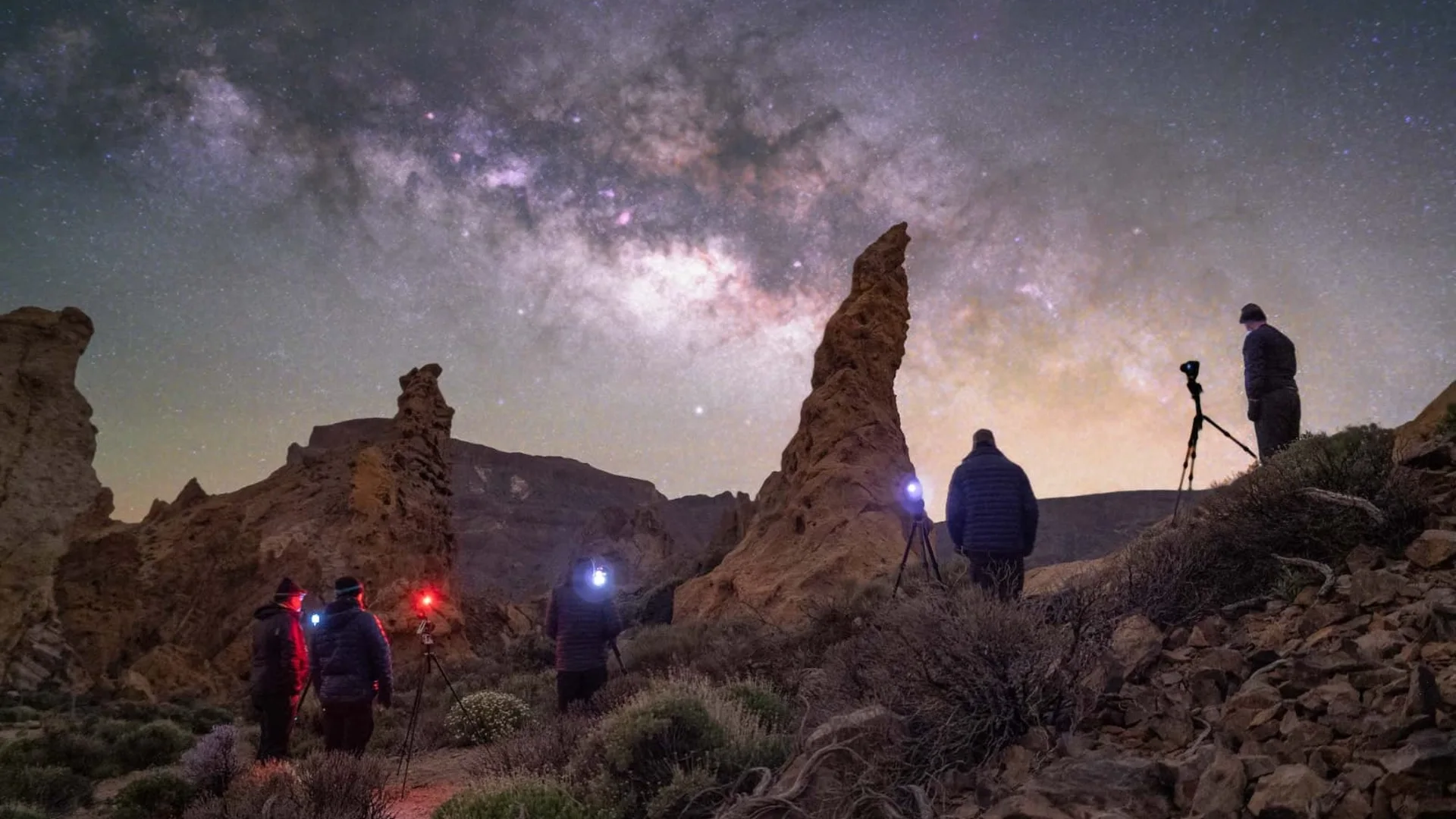
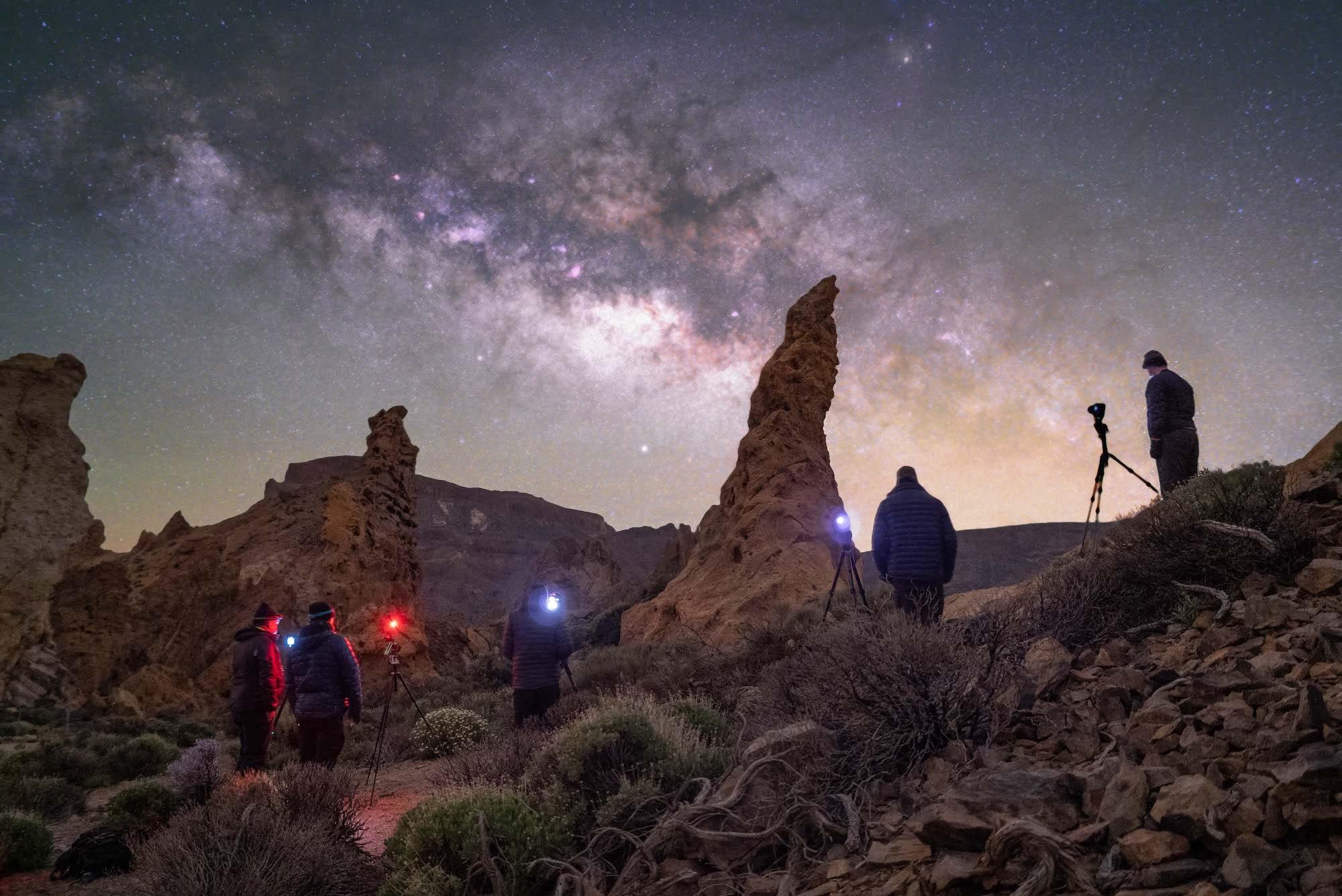
You step out into cold that surprises you after the beach. Red-filtered torches go round, because white light undoes twenty minutes of night vision and everyone learns this in the first thirty seconds. You watch the sun drop behind the western rim, then turn east to catch the mountain's own shadow — a black triangle laid flat across the Atlantic, sharpening as it climbs into the haze.
Then the waiting. Nautical twilight goes, astronomical twilight goes, and the sky fills in from the zenith outward. On a Teide Stargazing Tour tour the telescope queue starts here: Saturn's rings at roughly 200×, Albireo splitting into gold and blue, the Ring Nebula as a faint grey smoke ring. You take your turn, step back, let your eyes readjust. On a longer teide stargazing excursion you may lie flat on a groundsheet instead, tracking satellites and, in August, Perseid streaks that arrive faster than anyone can point at them. You go back down the mountain mostly silent.
The site is open every day from 00:00 – 23:59, so the activity can operate throughout the week. For sky conditions, the best arrival window is 20:30–22:30, which is the darkest period for stargazing. The best arrival window is 20:30–22:30. That timing matches the darkest skies for the teide stargazing tour and avoids showing up before the recommended night window. The meeting point is Teide Cable Car base station, at km 43 of the TF-21 motorway in Teide National Park. Wait at the closed access gate for a Volcano Teide staff member. This teide stargazing tour is an outdoor observation with portable telescopes and Starlight guides, not a visit inside the Teide Observatory. The operator says the observation takes place in the car park next to the cable car base station. The standard teide stargazing tour tickets include professional observations of the Universe, long-range telescopes, and a Starlight guide in the listed language. Transportation is not included in the base observation product. Children under 8 are not allowed on the astronomical observation activity, and proof of age is required. Older children can join, but the late schedule and cold mountain air make layers important. Wear warm clothing and proper footwear. Teide can be cold at night even when daytime conditions are mild, so a jacket is more useful than light summer clothing. Food and drink are limited on the base product: picnic is not included, and pets are not allowed except for guide dogs and therapy dogs. Bring water, and do not plan on bringing animals. You can cancel or change free of charge up to 24 hours before the activity, after which 100% of the amount is charged. If weather prevents the astronomical observation, the amount paid is reimbursed except for any picnic received. Photography is not restricted on the activity page, and mobile phones are accepted for showing the voucher. Use a phone or camera without flash to avoid affecting the dark-sky experience. By car, take TF-21 to km 43, which connects La Orotava with El Portillo de la Villa and crosses Teide National Park. The site also lists access from TF-23 and TF-24, and says Mount Teide is about an hour’s drive from anywhere on the island.
Please contact us for more information.